An online marketing medium, that is blogging for just anybody who own a business these days. As everyone has noticed, companies seem to resort to social media marketing sites in the the recent past to advertise their business and to make more profit. The most famous social media sites that business owners make use of are Linkedin, Instagram, Twitter and the mighty Facebook.. The blogging aspect is somewhat being overlooked for that reason. But running blogs can be more useful to businesses in many ways that social networking sites cannot do. Listed below are the the advantages of blog advertising from Social network advertising.
1. Blogs can boost Search Engine Optimization (SEO) -
Blogs provide a lot more the type of content that consumers search for and they allow benefits with regards to good search engine rankings. A blog is primarily text-based where useful images can be inserted to draw in readers' attention. It can get indexed by internet search engine bots quicker because of daily or weekly posts of website admins. Bloggers are considered to be as natural link-builders as a result of updates they do on their blogsites.
2. Blogging adds a very personal touch -
An individual or group of people are the ones who are running and managin a blog site. They directly communicate with faithful readers and prospective clients in an excellent way. This is exactly what the personal touch a blogging can make on people. You offer something which is significant and personal for you as well. Your experience is being known to millions of individuals who you do not personally know but yet you reveal to them a bit of your life. Personal stories together with business topics are the most effective since you also provide a glimpse of your personal life to your audience. Through blogging, you may earnth respect of your readers and you may eventually turn into a well-liked blogger.
3. Blogging can help to build a brand -
In blogging, you can actually create a strong loyalty from the customers because you interact with them and added personal touch as well. Emotional blog posts are also striking because it appeals to the values and emotions of the readers. When writing, you can actually deliver your message directly, clearly and quickly and thus providing a focused message to the target audience. Your blog posts must always stand out from the rest. Provide a unique angle on each and every blog post.
4. Blogs can generate attraction from media -
Even respected and famous media organizations such as BBC and CNN dig into blog posts. Blogs on particular niches such as business is actually readily available on the net, with just a single click and you could read a great deal of relevant searches. Keep in mind that internet can also be a great source of information these days. Even mass media people make use of search engines, so it doesn't take a long time for an informative and helpful blog to be noticed. Media is potent too so it is best that you improve your blog to get vistors that could be your potential consumers.
5. Blog features more lucrative niches -
When promoting a business, you have to make use of the niche which is suitable for the services or products that you endorse. By doing this, visitors will reckon that you take care of their needs as and are providing assistance to them. Blogging also can minimize the advertising and marketing costs since it is almost free of charge and may reach a broader and bigger audience. Business should also provide a blog that attaches to the potential customers and communicate with them in the best way possible Social networking sites aren't the only medium that you can utilize to reach an audience. Blogs are crucial as you build your brand and make it influenital on your selected field. As you have seen, blogs can certainly help enhance your business. All that you should do is manage it well and update it regularly with helpful information that internet enthusiasts need.
About the Author:
The AUTHOR is a webmaster of a succesful company that sells gadgets and electronic devices online. He loves to impart his knowledge in advertising through blogging. He is also a contributing writer to www.essayjedi.com.
|
1/14/2014 | Continue Reading...
People have been saying for generations that a picture is worth a thousand words. In this respect, your blog posts should be worth less. Even though it's hard to give a definitive answer to this question because there are many unknowns, as far as blogs go, bigger isn't always better. You need to understand this – you aren't writing a novel. You are publishing online content, and when they're online, people don't want to spend too much time reading something. Even if your content is interesting, very few will likely dedicate their time to reading a really long blog post.
In fact, in many cases the length of a post might put people off which means they won't even begin to read your blog post, let alone read the entire thing. That being said, there are certain topics you can afford to write a lot about. Highly specialized subjects like science can get away with long posts because then people are looking for a certain information and are willing to spend more time trying to find it. With this in mind, I have decided to group blog posts in three categories – short, medium and long. Like I said, there is no definitive answer, but there are certain rules and principles you have to follow if you want to be successful.
Short Blog Posts (500-1000 words)
Short blog posts are what you should generally aim for. When I write about something that doesn't require elaborate explanations or complicated qualifications, I usually try to keep it within the 500 words. I don't always manage, but I believe this is the optimum length for most blog posts.
You need to ask yourself, “Why am I writing this? What kind of message I want to convey?” Usually when you're writing a blog, you are presenting with your opinion on certain topics or you're writing about something new or hot. This is all well and good, but people on the Web get easily bored so if you spend 2000 words on something that could've easily been explained in 500, you are going to lose readers. Try to be as informative and brief as possible. Like I said, most blog posts should fall into this category.
Medium Blog Posts (1000-2000 words)
You are already using way too many words, but you can get away with it in certain cases. If your content is interesting, shocking and informative, people might forgive the length. If you insert a joke here and there (and no, knock-knock jokes don't count) and keep your audience entertained, 2000 words might not bore them that much. Still, here you need to tread carefully. This length is usually reserved for stories people can get involved in or lists people would like to read about in order to be entertained.
If a person starts to read your 2000 blog post on how you hate Mondays and you spend 500 words on how your colleague, Steve, really loves Monday morning and how strange you find that, you can be sure that many people won't get to the end. Preferably, here you want to talk about things people are interested in in your niche. As a bit of a nerd, for example, I like comic books, so I wouldn't mind reading a 2000 word blog post on why making a Batman/Superman movie at this point is a bad idea, or Top 10 most powerful beings in the DC Universe. But I don't care about your Monday, and neither do most people.
Long Blog Posts (2000+ words)
Unless you're writing about science or your content is highly entertaining (and I do mean highly, like, hilarious), or you're writing a really good story, steer clear of posts of such length. This will be an absolute disaster if you pour so much time and effort into writing something 5 pages long that no one would ever read. We don't care about your coworker's ugly neck tie, so don't bother telling us about it. If you don't have anything interesting to say, but since this is the Internet you want to say something anyway, keep it short.
About the Author:
Rose Finchley works as an technician for http://www.tidycleaning.co.uk/deep-cleaning-nw4-hendon/ and has a lot of experience to share with her readers.
|
12/06/2013 | Continue Reading...
Blogging comes with a range of benefits for those individuals and enterprises, who pursue it sincerely. Not only is it known to be a great way of adding fresh content to one’s website, it can assist in ascending one’s search engine rankings too. You speak to the providers of SEO services and they will tell you how blogging happens to be the core of their exercise.
Over the last couple of years, things have transformed in this industry, like has been the case with a lot of other elements of internet marketing. New ideas have emerged while some of the old ones have had to take the back seat. Consider the case of Guest Blogging. Prima facie, this might look like a tool through which an individual writes on someone else’s blog; however, there is more value to it than this. Guest Blogging has turned out to be an extremely effective tool of driving traffic to one’s website/blog; and also getting into the good books of Search Engines, as such content is what they absolutely love. Therefore, if you are availing SEO services or are trying your hand at it yourself, ignoring Guest Blogging can happen to hurt you.
Here are some of the other emerging trends that you will be advised to consider:
INTERACTION: While this might be a grossly ignored element of blogging, interaction with other bloggers in your niche can help you enhance your reputation in the industry. You can in fact ask some of the well known bloggers in the industry to write blogs for you sometime. Moreover, such interaction also assists you in generating more ideas, which is always essential for blog development.
DOMAIN NAME:Getting the desired domain name has only got more difficult over a period of time. The reason for the same has been the explosive number of websites and blogs that have come up. However, for your internet marketing success; it is almost imperative that you have a good domain. Preferably, it should have one of your targeted keywords included in it. This will make it more relevant and also good from the point of view of SEO.
DON’T SHY FROM CONTROVERSIES: For a long period of time, bloggers have been told about how they should stay away from controversial topics. However, the real meat of success seems to be in these topics. Therefore, if you think that you have got something valuable to contribute on a contentious topic, go ahead and do it. Just ensure that you do not write something that gets you in trouble; the art of diplomacy can always help.
INFOGRAPHICS: The rising impatience of your readers might force you to shorten the amount of text that you write. However, it is not always prudent to do so as that might diminish the value of what you are trying to say. If quick solutions are what your readers are looking for, you can offer the same in the form of ‘Infographics’. These are a mélange of information and graphics that can serve the purpose of feeding information and at the same time reducing the amount of text.
SOCIAL MEDIA: Finally, social media is now indispensable to your internet marketing efforts. With a large part of the world’s population exploring this platform, it makes sense to promote your blog via the same too.
A detailed comprehension of these trends can help you polish your blogging efforts and help them take a flight to success.
About the Author:
Rajveer Singh Rathore is a technical fanatical and a Particular Author working with SEO First Page. I love to spend some time studying about the most latest digital marketing trends news. SEO First provides Search Engine Optimization Services India that helps companies to improve traffic and business leads.
|
8/23/2013 | Continue Reading...
Becoming a giant in the blogging world is easy, but staying there is like trying to freeze water in an oven. You are not only up against an unforgiving set of search engines that will drop your rank for accidentally linking from a grey-SEO site; you are also up against a world full of bloggers who are trying to beat you. The only people who have ever had a top blog and kept it for more than a week are the ones who work on it ceaselessly. They are the ones who are coming up with material that should (by all accounts) be published instead of blogged.
Keep up the good work
As it suggests in the introduction, the biggest trick is keeping up the effort. Most blogs peter out after around six months when the blogger has run out of ideas, and very few last past two years. The ones that do are often simply maintained and are not actively promoted or have effort put into them.
Forget about the money
This is the biggest trick, and it is a trick because so many people are not willing to do it. Most of the blogs that go past the six month mark will have affiliate advertising placed onto them. After that point, the blogger starts to maintain the blog in order to gain traffic. They are not actively working on their blog to make it a big success; they are doing it for the few dollars that they can make from affiliate money. This is the reason why these bloggers never make it big.
If you do not want to fall into this trap, then do what no other bloggers are doing, and do not add affiliate advertising to your blog. Do nothing on your blog for the sake of making money. Your every action with regards to your blog needs to be to make it successful, popular and loyally attended. This is something that few people are willing to do because there is no financial gain involved, and that is why so few people ever keep their top blog.
Come up with your ideas in advance
There are a few elements to blogging, and one of them is ideas. A lack of ideas is a hindrance but is not a problem. However, if you want a successful and top blog then you cannot simply stop at ideas; you need inspired ideas. You need ideas that other people have not even thought of yet.
You have seen it a hundred times where you type in one blog topic and the search engine gives you a list of results on the topic. That is because the blog topics are fuelled by uninspired ideas. They are manufactured from the ideas of others, which is why there is so much repetition. In essence, you need to go out of your way to be the first link in the chain. You need to be the first one to come up with these ideas to the point where people are copying your ideas instead of you copying theirs.
So why come up with your ideas in advance?
Well, the answer to that should be obvious: inspired ideas take inspiration. Furthermore, good and inspired ideas take time to come to you and to mature into something that you can actually blog about. You also have the challenge of relating your blog topic to the target audience of your choice. Writing an inspired blog post about “end game” post nuclear survival is all well and good, but it is not going to go down very well on your research blog about the body language of kitties.
Make a plan for the next six months
If you make a plan for the next six months then you can be sure that you are not going to run out of ideas over the next few months. You are planning ahead for your own success, and that is the only way that you are going to be able to keep up the momentum to make your blog a top class blog. You also need to make a six month plan for your blog marketing, as this is just as important if you want to make it big.
About the Author: Korah Morrison, working for CrazyEssayWriter.com as a freelance essay writer.
|
8/15/2013 | Continue Reading...
Many people are drawn into the world of WordPress by one word: free. It's true to some extent too. Everything you need to install files on the server and run a basic WordPress site is no charge to you. However, anyone who is doing something more than throwing up some casual information just for friends or family to see or just for the fun of it, will need to pay money. A basic WordPress page is going to do nothing for your business or profitable blog.
As a real business that is very serious about using the Internet as a powerful tool, you know that using WordPress is going to cost money, but have you truly considered how much the price tag will be? Have you allocated enough of your funding to cover this cost? It's actually very important, but you do need to face reality that you are going to put some money into your WordPress endeavors.
The best way to determine your actual expense is to do something called the Total Cost of Ownership Analysis or TCO. This is a tool used over and over again in brick and mortar business, and it can be helpful for your WordPress expenses as well.
Start with something called "real costs" or the expenses that you may easily overlook because they come out of your decisions as you build your page. Some of these expenses come from:
1. Registering your domain
2. Buying premium WordPress premium themes
3. Paying developers or designers
4. Fees for security services
5. The hosting cost
6. Storage costs
7. Fees for backup software
You also have to consider your personal time. Any time that you invest in building your site is worth money as well, but most people overlook this and don't factor it in.
If you feel that you are paying more than you can afford for your pages, then the best thing to do is carefully analyze the real costs and then determine if there are any you can minimize or pair down. Some things shouldn't be touched, however. You do need a premium theme for an attractive and user friendly site. There are things you can pare down, though. For example, you could maintain your site hosted by WordPress.com instead of self-hosting or choosing managed hosting companies.
Keep in mind that every decision you make could potentially cost money. That means to keep a good idea of all your expenses, record your decisions and real costs before determining if that is the right choice.
About the Author:
Anny Solway is a dedicated writer at ThemeFuse – a leader in the premium WordPress themes area. She likes to discover new ideas about internet marketing, social media and blogging.
|
8/01/2013 | Continue Reading...
If you're running an e-commerce site one of the hardest things (beyond the obvious architectural issues) will usually be getting people to actually link to your site. If you've a great site with great products you might get the odd mention in a forum somewhere (typically a no-follow link) or if you're really lucky you might get a link from a blogger who advocates your products. Don't get me wrong I'm not suggesting these aren't useful and they happen naturally so that's always nice but actually getting enough links to boost the value of your domain can be hard.
Start a Blog

It doesn't matter what the product is from camping and outdoor survival gear to chocolates or sex toys any product can be written about at length in detail in a way that people want to read. This has two advantages, it gives you an opportunity to cross-link your own content - linking blog articles to product pages with valuable anchor text - but more importantly it gives you an opportunity to link environmentally from guest posts externally and it increases the likelihood that people will share to or even link to. One caveat, while longer, more regularly updated content is good there is a minimum post rate, a blog that lies dormant for months looks bad, don't start one unless time can be dedicated to it.
Blogging Considerations
On or Off-site
You have a few choices for blogging, both on and off-site. While free off-site options such as WordPress.com or blogger might seem appealing these don't actually get links to your site. You would be boosting the authority of a site to then link to yours. Although this can help a little it is always best if you can to self host.
What Blogging Software
There's a distinct possibility that your CMS already supports - or has the functionality to support a blog. Take Magento for example, with a simple plugin and a few tweaks you can incorporate a full WordPress site into your existing theme, likewise Drupal can easily add a blog. If this option exists and you have a limited budget then take it. It may limit some functionality and plugins but it will massively cut the cost of theming your blog to match your site. If this option doesn't exist don't worry there are multiple platforms available such as
WordPress - It's the worlds favourite for a reason, it has a 5 minute set up time, comes with thousands of free plugins and themes and is incredibly easy to manage. For the less tech Savvy business owner this is the way to go. It has had a range of security issues but a competent Webmaster should easily be able to beef up the default. Inkthemes offer a excellent security guide.
Movable Type - It's powerful and simple to use but the support for it is non-existent when compared to WordPress so you will need someone familiar with the platform.
ExpressionEngine Core - ExpressionEngine's free (Core) offering is somewhat limited but will be sufficient for most small sites, the premium upgrade takes this to a new level making it ideal for businesses looking for more functionality. However this has a steep learning curve.
Habari - In a few years this may well replace WordPress as the Standard Blogging Platform. Elegant and technically up to date but for now it's still not mature enough to pick up the mantle for less code savvy. Consequently unless you're from a developer background this could be an issue.
Drupal - Technically more a Website CMS rather than a blogger platform but once you get past the considerably steeper learning curve this offers more power and functionality than WordPress will ever offer.
Writing Your Blog
What you write about will vary wildly from product to product but there should be three forms of content produced.
Evergreen content
Evergreen content that you can promote year round:
If you're selling chocolate content about gifts, chocolate production, production insights, product comparison etc.
Seasonal content
Seasonal content (or time sensitive content) is produced to capitalise on search pick up around pending events such as Fathers day, Valentines, or a high profile event such as the Olympics:
If you're selling car parts, race day updates, new car profiles and general industry news, just remember this needs to be churned fast and pushed quickly because it may be usable once a year but much of it will be single use.
Authority or High Value Content:
This last type of output will be the most time consuming to write and where you pick up the bulk of your links, this is typically data driven but needs to expand universal appeal and belong to the company values:
A great example would be sporting goods, while you can produce one off articles about hiking take the time to write a year round hiking guide, what equipment you need, ideal places to learn, recommended routes etc. This content may get picked up and syndicated by large high authority sites such as a Local trust or council page who are looking to promote the area.
Getting Links
The benefits of having a blog on an e-commerce site are numerous, they offer the opportunity to increase your sites content, keep your site fresh (very important for organic search listings) and give you valuable cross-linking opportunities. More importantly however are the link building opportunities.
Finding Link Opportunities
Guest blogging: A vast number of sites are only too happy to allow links to articles adding value, few will be prepared to link to a sites product pages. Instead of writing an article hoping for a link to an item you want to sell, promote a blog post that links to the article, it wont have as much of an impact but you can now get considerably more links raising the value and potentially bringing traffic to your site.
Mentions Monitoring: Using something as simple as the Moz Freshweb explorer or Google Alerts for mentions of brand or targeted keywords you can then reach out to webmasters advising them that you have content their audience might find useful. If you can sweeten the offering by providing a stock image or even an insight to enrich the article this can increase your chances of getting a natural and valuable link.
Authority Content
High value content tends to garnish shares, links and visibility all its own so this isn't always necessary however if you put together some valuable content that just isn't picking up traction consider sponsoring it. It might sound counter intuitive but by using sponsored Facebook, Twitter and stumbles you can get your content in front of an audience who'll start to link to it. Spending time, or even a few pounds promoting your site through your various social channels might not sound like a bargain but those links your content earns may mean the difference between a page one listing and being relegated to page 2, to say nothing of the potential traffic.
|
7/22/2013 | Continue Reading...
WordPress is easy. It is perfect for making all kinds of website. This is all People know about WordPress. The competencies of WP for creating video streaming are still under the clouds. Nobody has ever come up with any solution to make a video streaming site with this open source web content management system or not. Well, it is sure that the vast majority WordPress users do not understand the capabilities of this open source tool for developing a video streaming site. The discussion is too wide to cover in this post but if you are trying to stream videos on your WP site then you can use below given plugins.
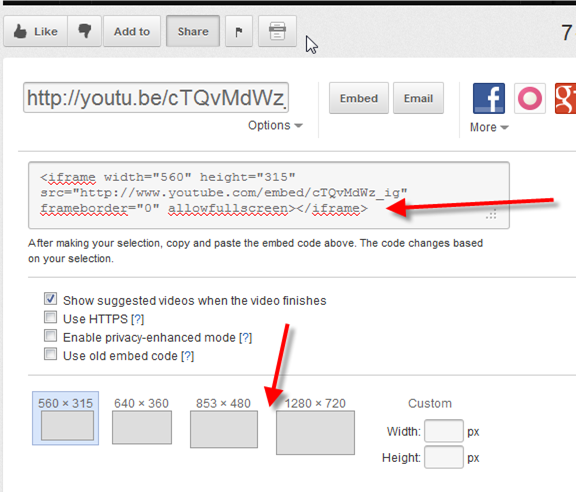
1. Viper’s Video Quicktags

With this plugin, you can add a new button in the rich text editor of your WP site. This button will help you in embedding a video on your website. It will be a simple and a one second job for you. You just need to copy the embedding code from the video host website and paste in the prompt box. With this plugin, you will be able to customize the width, height, color scheme, and alignment of your video streaming page.15.08cm6.32cm
2. Smart YouTube
Well, if you are going to stream videos, hosted on YouTube then this plugin is special for you. All you need to copy the entire code from YouTube Page and paste correctly into the prompt box. It is made for delivering high-end functionality for YouTube videos.
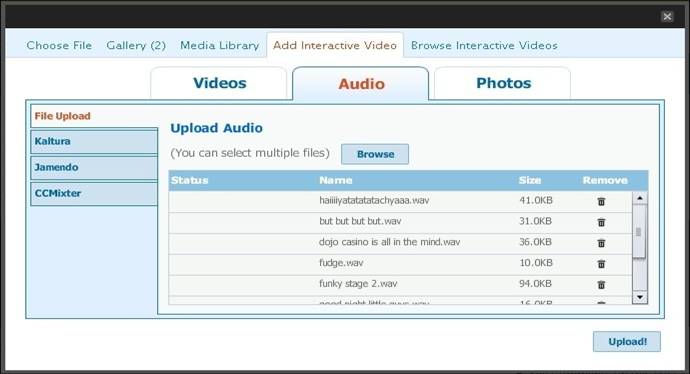
3. Interactive Video Plugin
It is known for its useful features. Technically, you can embed the code, picked from other sites but this plugin also offers a feature of uploading, recording, and importing in your posts. So, it can amazingly help you on this side.
4. Embedded Video
As it reflects from its name, this plugin is made for integrating the videos on other sites. You can simply create a corresponding and download link at the video page of your site.
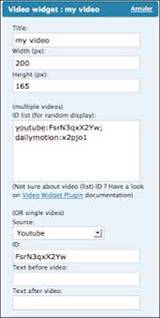
5. Video Widget
With Video Widget, you can embed a video just by putting the ID of your video. It will be a great tool for your site. Luckily, you will get relief from pasting HTML code on your site.
6. Flash Video Player
It is one of the coolest WP plugins. You can make changes in the backgrounds of your WordPress site’s page. So, it is a fine Plugin for WP users.
7. Video Embedder
Similar to Video Widget, this plugin also offers the competency to embed videos via their IDs instead of HTML code. However, you can make changes in the settings of your existing videos just by using the plugin and your changes will go live as you will press the save button.
8. EasyTube

Well, it works more efficiently if you are a blogger and like to use a video in your posts. You just need to use a tag for adding a video on your website.
9. YouTuber
With this plugin, you can easily add a video on your site. Moreover, you can also make changes in the look & feel of your videos.
10. LV Embed
If you are looking for a plugin, which can help you in creating the video sitemaps then this plugin will work perfectly. It supports text only output for RSS, which make people watch the video at the main site.
So, you can now choose your plugin and install on your website.
Author the Author::
Nick Carter has experience in web design and development. He is currently working on wordpress development. He is well known for its huge list of global clients who hire wordpress developer and outsource wordpress development services.
Posted by Ravi Kolhe |
7/18/2013 | Continue Reading...
It's perfectly common to hear about a small business or web start-up that just can't seem to figure out how SEO or pay-per-click advertising are used by the pros. It's hard to get a clear picture of what's really going on when everything seems so complicated. The truth is that both SEO and PPC are simple, and anyone having trouble in this area is often a few nuggets of wisdom away from figuring out exactly which approach is right for their needs.
Search Engine Optimization: The Balanced Approach

SEO is the universal equalizer in the world of Internet marketing. Traffic is highly predictable when it comes to a search engine. Here's how it looks: people make their search and then either click one of the first few results or abandon the search entirely. Pages two through two million may as well be nonexistent in the overwhelming majority of searches. The plus side of this is that getting to one of those precious few top spots is a great source of legitimate visitors. The amount will obviously vary, but the arrival of these people is a certainty.
To put it simply, search engine optimization is best suited for hard workers that are willing to inch their way closer to success on a daily basis. SEO requires research time, repetitive action and persistence. Even then, businesses can still outsource their SEO to high-quality companies for a nominal fee that's worth every penny when the job is done right.
Pay-Per-Click: The Skillful Art of Spending
PPC advertising was a silent millionaire maker for many years before it caught mainstream attention. Before most people realized the potential of PPC advertising, rogue advertisers were buying up cheap keywords by the thousands and making insane returns on their investment. Nowadays, pay-per-click advertising has been populated by hundreds of thousands of businesses, and the competition is a little tougher. However, there still plenty of cash to be made in every market.
PPC follows the same general principles of SEO: find great traffic sources and get exposure. Great marketing can turn this exposure into raw profit. However, PPC is complex in that it requires lots of value judgments, market analysis and keyword research. The money in PPC is and has always been in finding the right keywords, but with the influx of advertising that's come upon services like Adwords and Adcenter, PPC requires a little bit more time to find the right keywords.
Pay-per-click advertising is for the hunters that know how to use their money skillfully. Finding a profitable keyword is an adrenaline rush like no other: some of these keywords can literally be worth thousands of dollars per day with absolutely no modifications or upgrades to a landing page. What's more is that PPC is a skillful teacher; the art of the one percent increase in conversion rate has made plenty of millionaires in the last half of a decade, and much of the information that's freely available on the Internet today was made popular by the methods of these people. Their legacy still lives on in the nooks and crannies of the blogging industry, and there's a new Internet millionaire born every day because of their wisdom.
Let's take a quick moment to look back these two marketing strategies and compare them simply and briefly. SEO is all about climbing the ladder, day by day, until the peak has been reached. It is a long term strategy, and should never be seen as a quick- fix. The people that are willing to embrace the competition, challenge themselves and grow a little bit every day are perfect candidates for SEO. PPC on the other hand is all about understanding a simple system and then hunting down the most profitable keywords within that system. They might not always be easy to find, but with a little bit of number crunching and good old-fashioned marketing, they're easy money. Those that can take decisive action and capitalize on these rapidly growing markets will earn the privilege of seeing just how lucrative the Internet can really be.
About the Author:
Aubrey Phelps is a writer for Net Hosting. She has been in the SEO and Internet Marketing field for six years.
|
7/09/2013 | Continue Reading...
So you started your own blog and want to earn money on blogging? Then this article is for you! Blog can be a great option to make extra money. And if you try hard - then your blog can become a major source of money. Here are fifteen ways you can monetize your blogging.
● Try an impressions affiliate program
This is a program that pays you if an advert is seen. If you discover that your blog is heavily attended, but that your affiliate adverts are rarely clicked, then this may be the affiliate program for you. They pay you for the amount of times an advert is viewed, and not the amount of times it is clicked.
● You could advertise your webinars
If your blog is becoming a little bit of an authority, then you can offer people further information via a paid webinar. They are able to see videos of you giving your expert opinion, and see videos that go into more depth than your blog posts do.
● You can offer a paid newsletter subscription to your blog
Instead of people buying a magazine subscription, you can offer an online service that gives even more detail than your blog posts do. In addition, with a paid subscription, people are able to receive your newsletter via email, so it is more convenient.
● You could be a theme/topic consultant
Assuming that your blog gives out correct and relevant information, you could offer consultation services based upon your knowledge. People would present you with their problems, and you can formulate a solution and charge people for the solution.

● Sell your pictures from your blog
Take original pictures for your blog posts, and under each one, you offer a sale price and a method of purchase. That way, people are able to read your blog and potentially buy your images too, so that they can use them on their website or blog.
● Charge people for links
You could charge people for installing links on your blog. You cannot advertise this fact, since it is against the Google rules, but you could offer such a deal on your newsletter.
● You can gain sponsorship from a business
This is very difficult to do, but some businesses are looking for promotional material and links, and you can offer them. You may gain sponsorship so that they tell you what topics to write about, and where to link to, and then they pay you money for your efforts.
● Offer a blog setup service
Tell people that if they enjoy the look and feel of your blog, which you yourself can set one up for them. You can explain how quickly and professionally you can set up a blog, and offer to build one for your reader (for a price of course).
● You can try an affiliate network
This is one of the most common ways that people monetize their blog. All you need to do is sign up with an affiliate network, install the correct code on your website, and allow them to stream adverts onto your website. You are paid if people click on your adverts.
● You can offer to answer questions for a fee
There are already websites that offer answers to questions. You can do the same, but you can answer questions on the topic that your blog runs under. People will be inclined to trust your answers if they have any respect for the blog posts you produce.
● Offer to sell your blog posts
At the bottom of each post, ask people if they would like to purchase the blog they just read in order to place it on their website. You could offer to sell them the full rights to the piece, and then remove it from your blog as soon as they have paid.
● You could sell your email list
It is actually illegal to sell your newsletter email list, but nobody ever gets caught because it is a tough transaction to track. So, you could sell your email list to a marketing company.
● You could take donations
You will not get very many, but every now and again, some fool with more sense than brains will give you a donation for writing your blog post. You could add a line to the bottom of each blog post saying that if they enjoyed your blog post, then why not donate. There are PayPal widgets that are designed to take donations. They allow people to choose how much they wish to donate, and then give them a safe means of doing so.
● You can offer to write blog posts for your readers
At the end of every blog post, you could tell people that you are a freelance blog writer. And, if they also want blog posts writing at the same quality level as the one they just read, then you can offer your services for a modest fee. You may be lucky and end up with a long-term revenue stream from it.
You could even produce and sell an e-book. The download and payment feature is easy to install onto a blog, and an eBook is easy to write and publish into a PDF if you have the correct software. You do not even have to charge a lot of money for it, so you may produce as many as you like and sell each of them for a few dollars.
● Offer to give blog audits
Within your own blog, you can offer a small service. Tell people that you are a great blog SEO auditor and explain that that is how you have gotten your blog to be as popular as it is. Use the logic that if the reader is reading the blog right now, then it surely shows that you know what you are doing (otherwise they would have never found you).
About the Author:
Korah Morrison, working for College-Paper.org - best student’s helper. Get 20% discount with –blog20- promo code.
|
7/04/2013 | Continue Reading...
You religiously follow several blogs.
You patiently wait for updates and even inform your followers everytime your favorite blogger posts something new.
You just cannot let a day pass without reading blogs.
Well then, did it ever occur to you that you also can create your own blog?
That you have the potential to be like bloggers you are currently following. Perhaps you are worried about a few things so you decided to contain yourself to being a loyal follower.
How about you check out these common excuses that keep people from blogging? Go ahead. Perhaps later on you will realize creating your own blog is more than worth the try.

No one gives a damn what you say or think.
Then great! Living in a perfect world, that could be possible. You need not worry about your sentence construction. You can use foul words for all you want.
But we are not. So you can only expect people to drop by your page, read and walk away or leave kind words.
So why would you bother yourself about people not caring? If you must blog, do it for love. Not because you are seeking for attention.
Stop attracting negative thoughts. If you write happy, your emotions shall be rubbed off on your posts. Readers will feel you enjoy what you are doing. That’s when you probably will start earning followers.
Bottomline is, this is your blog. Others couldn’t (and you shouldn’t let them) dictate how to run your page.
The pressure is high; you are compelled to write well.
Of course you are. Your page is lifeless without quality content.
Consider this a favor and at the same time a challenge to yourself. Keeping blogs help you sharpen your communication skills.
You might not be able to see the rewards of ensuring quality posts right away. But eventually you will reap the benefits of your hardwork. You shall gain supporters. Other bloggers will appreciate your work and might even run to you for writing inspiration. You might gain extra income attracting advertisers to your site.
You could earn a handsome career opportunity. You’ve got your portfolio that demonstrates your skills, and that is your blog.
You have no time.
Blogging consumes time. It can even take you days completing a single post.
To say that you do not have that time to spare to blog is just another excuse. It can be addressed by managing your time. You need not publish a new post on your blog everyday. But you should at least, visit it everytime. Read comments. Answer queries and read as though you are another page visitor.
Your readers probably wouldn't mind that it takes you a week before posting a new content if it is worth the wait. Sometimes, you can use a little thrill to keep readers hooked.
So do not worry too much that you will not be able to sustain your blog.
If you want something done, you will and you can find a way to get it done.
You run out of writing ideas.
This is commonly known as the writer’s or creative block.
Again, you need not write round the clock. You have control over your time. You can write when you feel your creative juices are flowing. You can take a rest when you feel you’re not in the mood to write. You need not push hard on yourself.
There are as well several ways how you can inspire writing ideas. Read other travel blogs, or drop by any website you love. Divert your attention to another activity.
Blogging should be fun. It should not cause you additional stress as though you are writing a book report Australia. It should help make you feel better instead.
Author Bio:
Nettie Gray ensures to let bloggers know that their work is awesome. She makes it a point to leave comments on posts that she find useful and entertaining. She’s a big fan of several travel bloggers.
|
6/26/2013 | Continue Reading...
Are you a traveler? Or by any chance, do you plan to take on a travel adventure? Are you interested in writing? Do you love telling stories or sharing experiences with your friends?
If you just answered yes, then you are all set to start your own travel blog.
Why should you bother?
You get to document your experiences and who knows, maybe inspire others eventually.
Since you religiously upload all your photos online for each of your travel, and even write lengthy captions on the memorable ones, why don’t you take your sharing up a few notches?
Create your own travel blog.
It’s up to you whether you want to merely tell stories just like what you do in a diary, or provide readers useful information, say backpacking tips. Either way, beware that growing number of followers doesn’t happen overnight. You must work hard so people will know that your page exists. And you need to make it really good so people will love you.
Well at least, you can expect your legion of loyal followers in your friends and relatives.

You might just earn additional income.
Let us get one thing straight though: This takes time to happen.
You will first have to establish your blog, build quite an impressive number of followers so advertisers would express interest in working with you. They shall pay you handsome amount of money in exchange of links.
Business owners on the other hand might offer you freebies or even take care of your expenses on your next travels provided you’d mention or write about them in your page as well.
Then again, you must maintain quality in all of your posts to attract these kind of offers.
Meet and learn from fellow travel bloggers.
There are several souls out there who like you are exploring the world and sharing their finds online.
Eventually, you will get the opportunity to talk to and even meet some of them in person. The blogging community works like a virtual brotherhood. You automatically earn your support system. Chances are they will find your blog and shall leave uplifting comments.
They might even follow you on your social networking accounts and from there you can exchange insights about travels, as well as score suggestions on your next travel destinations.
Join contests by investing in your passion.
Every now and then, there’s an establishment that hosts contests open for all travel bloggers.
Travel bloggers are required to answer few questions and once their entry is selected, they get a chance to travel for free.
If the destination at stake is among your dream trips, then you are most likely to do everything to win. But even if you do not, it still is fine. Merely joining is already a fun experience in itself. You also did not feel stressed as all you did is invest in your passion, in what you love doing.
Do it because you want it.
At the end of the day, keeping a travel blog requires commitment. You do embark into it just so you can impress other people or earn bragging rights. It starts with that desire to share, in which you do not expect anything in return. Because if you make it good, rewards shall come without you pushing for them.
Author Bio:
Nettie Gray loves reading travel blogs every morning. She even considers it part of her breakfast routine. When she’s run out of essay writing ideas, she would turn to her favorite travel blogs and find some sort of inspiration. It always works for her.
|
6/26/2013 | Continue Reading...
The Internet has experienced an exponential rise in both importance and traffic, now considered an invaluable tool for companies who wish to create, or expand online profiles, and attract the maximum number of consumers and optimum level of business. Controlling the aforementioned elements is a critical way of achieving success, and is also attainable, through Search Engine Optimisation.
Search Engine Optimisation (SEO) is the method of influencing the visibility of a company website, or page when searched for ‘organically’ or ‘naturally’ through a search engine (i.e. without sponsorship from companies). Typically, the higher-listed the results, the greater number of visitors that these results will receive, directed there through the search engine. Search Engine Optimisation can be applied to a variety of searches, such as image-search, news-search, academic-search or local-search amongst others. An Internet marketing strategy, SEO understands the logistics of search engines, and what consumers commonly search for, as well as which search engines themselves prove most popular amongst Internet users. Optimising of websites includes modifying content or coding to include popular searches and keywords to ensure maximum relevance as a search result.
This method is critically important for businesses, because it is a cost-effective marketing tool. By controlling the ranking of results, companies can ensure that the competition remains below them, thereby dominating search results and markets, and that all relevant information and links can be displayed in the most accessible and optimum place for the consumer, enhancing the performance and reputation of the companies. With the Internet demonstrating its propensity as an immensely profitable nucleus within markets, gives small or large businesses the opportunity to capitalise on these opportunities, with very simple steps to achieve success.

In order for SEO to benefit your businesses appropriately, it is crucial to understand what the role of the Internet is in the company’s overall marketing strategy. Through identifying the objectives of what a company hopes to realise through the Internet, effective web Optimisation can take place, thus transforming not only the online presence of a company, but the entire profits and reputation of a businesses across the board. Whether the aims may primarily be concerned with boosting product sales, enhancing knowledge of people, parties or areas, or generating hits of articles, videos or the brand itself, understanding and tailoring such aims will succeed in taking your business to the next level. Crucially, web Optimisation is not only about delivering high-listed rankings on search engines and increased sales/awareness of brands, it is about providing consumers with valued experiences and ensuring that their time was spent effectively, thereby encouraging them to return, and spread the word.
It is, however, important not to rely too heavily on search engines themselves, as they all are, and operate accordingly, as independent businesses. Through creating necessary and solid links and pages within your website, search engine traffic are more likely to remember the brand, and return to it in the future, independent of search engines, ultimately ensuring success for businesses.
For more information SEO Service contact Assisted Reputation.
|
6/24/2013 | Continue Reading...
Making a website successful can be crucial in the overall success of your company or business. Not only does a website create profit through e-commerce, but of course, it spreads the word of your websites to others. Here are a few ways to make your website successful:
Content is the most important part to your website. This is mainly due to the different things that content does to make your website great. Content introduces the customer to your business or your product/s and works as a first impression to many. Content also plays a part in helping your site be found and picked up via search engines due to well-placed keywords. The content of a website is the main focus for Google and Yahoo to find results relating to what people are searching for.

Making your website available and accessible for all is another huge aim for your site. You need to make sure that your site can be fully accessed by all web browsers. More and more websites have added features to aid the disabled take in the content and information of your site. For example, software has been largely used to read out text on websites for the blind and also video information has the option for subtitles for the deaf.
Testing your website is essential. Unknown faults you have not picked up on may still be lying in wait. It is important you get others to test your page using all web browsers available.
Having a professional looking website seems obvious and is of course, easier said than done. However, having this is essential, partly because it creates a good impression on your company or business but also because when customers log onto a very unprofessional looking site, many will keep far away due to the scare of viruses. If your company’s website looks professional, people will feel a lot more comfortable on doing business with you as it looks reliable.
Advertising your site is also a must. If you don’t advertise your site, how will anybody know about it? You could have the best site possible but nobody would know of it. Advertise your URL on business cards, billboards, through social media such as sites like Facebook and Twitter and anything else you can possibly advertise it on.
About the Author:
Jake currently writes for Dimasoft a company that specialises in website design and web hosting.
|
6/19/2013 | Continue Reading...
When it comes to coding skills for SEO, opinions differ as to how much SEO’s need to learn. Some say that internet marketers need to have in-depth programming knowledge to be effective in their roles; these people say that to be a good SEO you need to have expert HTML and CSS knowledge, plus some knowledge of .net, Javascript, Flash, and maybe even other languages. I remember Distilled SEO Tom Critchlow saying once, “every SEO should learn a programming language”, (other than HTML and CSS)
Personally, I think this is way OTT. In my experience, the most you need to do well in day to day SEO is to have a basic knowledge of HTML, and that’s about it. You need to know what HTML is (Hyper Text Markup Language), how it works and what most of the commonly used tags mean. This post is intended to give a few pointers as to what are the important tags and markup for the SEO to know.
Some of the main tags that SEO's need to know:

1) <meta name="Description" content=”sample description”/> - The meta description is one of the two pieces of meta data that a SEO needs to know. The description is the snippet of text that is displayed by Google in the result body of the SERPs (Search Engine Results Pages).
2) <title>Sample website title</title> - The meta title of a website is the text that is displayed in the title of the search result snippet when that website comes up in the search engines; it is also the text that is displayed in the title bar of the website.
3) <a href=”www.sample.com”>anchor text”</a> - This is the format for links in HTML.
4) <img src=”images/sample.jpg” – This means an image. The suffix “.jpg” (pronounced jaypeg) denotes the type of images file used. Other image file type include “.GIF”, pronounced “Giff”, and PNG (pronounced “PNG”). “Sample” is the name of the image, “images” is where the image is located.
5) <script> - This means javascript is being used within the tags. Javascript is usually used for interactive elements of a webpage.
6) <ul> - this means a list of bullet points
7) <li> - means a list item
8) <ol> - a numbered list
9) <h1> - denotes a H1 tag – typically insert a keyword here
10) <p> - paragraph
11) <strong> - bold
12) <script src="http://www.google-analytics.com/urchin.js" type="text/javascript"> - This is the sort of tag you see that is for Google Analytics, to send data to the analytics account of the website.
13) <meta name="robots" content="index,follow,NOODP,NOYIR" – This is the tag that specifies commands to the search engine spiders –“ index” means “index this page”; “follow” means “follow the links on this page”; “NOODP” means “don’t use the Open Directory Project (dmoz) snippet in the SERPs”.
14) var google_conversion_id = 1060561510; - Within a JS tag, this means the conversion tracking code for Google Adwords. The id means the identifying id number of the Adwords account.
15) Alt= - The “alternative text” for an image – denotes to Google what the image is about.
16) An important part of using HTML for SEO is searching. Learn how to using CTRL-F to search for content/markup/tags on a wepage (after doing right-click>view source).
17) <no follow> - Denotes that Google will[ not pass “link juice” for a the link with this tag.
Good luck! Remember – if in doubt- Google it!
Armishaws Removals are a leading UK removals firm specialising in removals and storage in the UK, Europe and around the world.
|
6/19/2013 | Continue Reading...
When most people talk about SEO and social media, they speak as if they are separate fields. In reality, both SEO and social media interact in a number of different ways. Here are a few facts about how social media can affect SEO and what companies can do to leverage this connection.
Social Media Affects Search Rankings
Those who use popular search engines often note that social media results rarely appear near the top. Part of this is because Facebook and Twitter have asked Google to limit how pages are indexed. However, most experts believe that search engines actively monitor social media properties, and changes on social media can affect how websites rank. Because of this, causing content to go viral on social media can help a website tremendously. Internet marketers are encouraged to view social media as a means of improving their rankings.
Social Media Creates Organic Links
Bloggers and others who host websites use social media to find information. Because of this, those who actively use social media are more likely to attract their attention. By sharing high-quality information and creating viral content, Internet marketers can use social media as a means of encouraging people to create organic links. These links are among the most powerful SEO properties, and those who are able to capture the attention of bloggers and other website operators can benefit tremendously.

Social Media Influences Search Queries
After finding out certain information on social media, many people turn to search engines to learn more. Because of this, those who keep up with social media will be better able to gauge what users are likely to search for. This insight can be valuable in keyword research, and those who are able to track the pulse of social media may be able to find low-competition, effective keywords and key phrases to target. The Internet is dynamic, and social media is a key for predicting changes.
Social Media Integration
Google remains the most important SEO target, and those who use Google+ are granted some benefits. Google+ search results stand out from other results, and the link shown when searching on Google will often be accompanied by a photograph of the author. As all SEO experts know, capturing the attention of users is critical for achieving higher click-through rates. This integration can be a valuable tool for attracting the attention of viewers.
Search Engines Also Affect Social Media
While the points above discuss how social media can affect SEO, search engines can also affect social media. For example, Facebook has spent a considerable amount of time creating their own search engine features. Websites that succeed on traditional search engines will be likely to succeed on Facebook searches. Efforts dedicated to SEO can also improve your social media visibility.
Social media has become incredibly popular, and Internet marketers will need to take steps to ensure that they are taking advantage of this new field. However, it is important to realise that social media and SEO interact on many levels.
About the Author:
This article was written by Kelly Gray on behalf of Search Factory - an online marketing agency located in Brisbane Australia.
|
5/28/2013 | Continue Reading...
In today’s digital world most online business and blogs seem to forget about print marketing, and just how effective it is. A shockingly low number of blogs and online businesses use printed marketing materials in their advertising efforts, and I think a lot of this is due to the fact that people just don’t realise that print marketing can work wonders for your blog or online business!
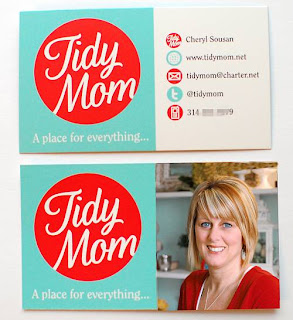
If you run a personal blog, then the chances are that you really enjoy the topics that you blog about – it’s probably a topic which you talk about to people on a daily basis, not just on your blog, and I’m sure there’s been times during a conversation where you have told someone the URL to your blog because you have some content there related to what you are talking about, but, it’s not easy to remember a URL, and chances are the person you mentioned it to will forget it long before they get to a computer, but if you have a nice personal business card with your social details and blog URL on, then you can just hand that over during the conversation and the person is much more likely to check your blog out when they get to a computer.
I’ve found a few awesome examples of materials which people have had printed in order to help them market their personal blogs or online websites, hopefully you can take some ideas from these and put them into your own designs to help start marketing your blog or online business through the use of print!
Hopefully these examples have got you thinking “outside the box” and feeling creative. If you’ve never tried print marketing for your online business or blog before, then this is definitely a new avenue which you should pursue. So many online businesses don’t think to advertise offline, so you’re already one step ahead of them by reaching potential customers through print which your competitors aren’t even targeting. With all of the examples above you should be able to come up with some really awesome designs which will work wonders for advertising your blog or online business through print.
If you’ve finished your design and you’re looking for a printer, the NextDayFlyers printing service is second to none – they provide a manual quality check on each order, this guarantees that the printed marketing materials you receive look exactly as they’re supposed to. Some companies don’t bother quality checking their prints, and the results you end up with are terrible, you certainly wouldn’t want to be handing the materials out to any potential clients. So make sure you pick a reputable company like Next Day Flyers who provide the manual quality check, that way you will not be disappointed.
About the Author:
Nathan Daniels is a regular contributor of technology, print and design articles to this blog and other top blogs around the web. When he’s not blogging he enjoys travelling around the US, and skiing.
|
5/27/2013 | Continue Reading...
When you first start to create a website there are lots of exciting things that you need to take into account. You will play around with the layout, font, colour, graphics etc. You will also spend a lot of time looking into various different webhosting providers to see who offers the best package at the best price. One thing that you should also take into account, but often may not, is whether you should be choosing a webhosting provider according to your location.
Choosing a webhosting provider that is located in a country other than that which you plan to target could cause you problems. Basically you may find that the webhosting provider is identified by search engines via their IP address. These search engines then list your website in the rankings specific to that country. So for example you may find yourself listed on Google Canada when you wish to target Australia and so on. Now this can be altered depending on your target audience. You will need to look at search engine tools or add specific programs onto your website admin. These are not necessarily the easiest thing you will ever do, especially if you are not very technical. However, a good webhosting provider will offer you plenty of help and guidance to ensure that you are listed in the correct rankings and stay there.

Another thing to check when choosing a webhosting provider according to your location is the hardware that they run. You need to make sure that the company you are considering has up-to-date hardware that protects you and your clients. Basically you need a guarantee that their servers are well maintained and reliable and that they have very little downtime.
You should also ensure that they are running the most up-to-date security programs for the welfare of you and your clients. This will mean that customers can enter details without fear of identity theft and that the information that you store and your business reputation are completely protected.
You also need to ensure that you choose a webhosting provider that can provide the speed and access that your website needs. If you choose a company that offers slow speeds or that has too many companies sharing each server then you will find that your website will disappear into the ether. Even those clients that can find it will soon become irritated as it constantly hangs on each web page. So ask for real data to show exactly how they are performing and if you are unsure how to decipher that data then ask an expert to help you.
You don’t have to choose a webhosting provider that is in the same location as you or your target audience as long as you take the time to do your research and set things up properly. If you choose a reputable company then it really should not matter where they are located in relation to you. However, don’t allow yourself to be seduced by a webhosting provider in a different location with a super cheap deal that will let you down.
About the Author:
This article was provided by Teresa Jens, who works for one of the leading Danish webhosting companies.
|
5/23/2013 | Continue Reading...
If you have plans to publish a website on the internet then you will need to purchase a domain name so that people will be able to find you. The domain name is similar to a company address and telephone number in that it is the unique way that you are identified on the internet. Many people have found that the domain names that they want have already been taken, which has lead to a whole new business in selling expired domain names.
Lots of people think that purchasing a domain name that has expired and not been renewed by the existing owner actually gives them a head start on their competitors. This is because it is possible to inherit all of the information that the previous owner put into that domain name. So for example, you may find that you have immediate site ranking and good link popularity. However, as well as inheriting the good work that has gone into a website and therefore the domain name, you can also inherit the bad so it is important to check certain details before you jump in and buy an expired domain name.
The first thing you need to do is make sure that the domain name and previous website haven’t been black listed for any reason. For this exercise we are going to use Google (other search engines are available) so what you need to do is type in “cache:domainname.com” –obviously substituting the domain name that you are considering– and then see what comes up. If nothing appears then you could have a problem and it is worth contacting Google to see if they have blacklisted the website and domain name.
Next thing to check is what the content of the previous website actually was. You want to ensure that the traffic that is coming to your site is actually people that want what you are selling. You also need to ensure that you are not associating yourself with something that could be harmful to your business.

The next thing on your list of things to check is what back links the previous site was associated with. If the previous site was cited by a search engine for bombarding its back links with spam and low quality content just to try and appear as though it was popular then you may find that you have some work to do to get it back to be rated high again. Google has several tools that will help you check all of these things and more if you go to their online website you can either download the relevant tools or just type the domain name you are considering into them to get the information you need. As said previously other search engines are available and they too have online tools to help you carry out your research.
Finally if you find that the expired domain name (did you know the term in Swedish is domän) has had some bad press but it is the perfect name for you and you absolutely have to have it then it is worth noting that you can appeal to the search engines to have the bad press lifted and your website re-instated. You should know though that this is not easy to accomplish and will take a huge amount of time, proof and correspondence, so make sure that the domain name really is worth it before you buy.
|
5/23/2013 | Continue Reading...
Web development is not the usual pushing the keys on the keyboard and a little movement of the mouse here and there, it is more than that! It requires specific set of skills in order to create a well-functional website that would cater to the needs of the client as well as end users.
When it comes to basic web development, it only focuses on two parts – the design and content. These two are the main focus of developing a simple website. It does not involve too complicated, fancy or extraordinary stuff.
The usual outputs of basic web development are static web sites that do look like an online brochure and one-page website. These kinds of websites are good for smaller businesses that are into offering services to the public like car wash, house cleaning, laundry, etc.
The following are the interdisciplinary skills needed from a developer when it comes to basic web development:
● Web design or graphic design

The web design is what we call “front-end” portion of a website. This is what the visitors or the target users will see right in front of their computers. The design involves proper color combination, placement of the content, navigation bars, logo, and ad placements (optional), among others. As the saying goes, “first impression does last”. If a person sees your website looking a bit out-dated, the images are pixilated, and the colors are too bright for the eyes, for sure he will leave right away without browsing through the site.
This is where the artistic side of a web developer comes into the picture. The ability to mix and match colors, editing images using Adobe Photoshop, and putting them all together will be a greater challenge. However, this is made possible through knowing the ropes in web designing.
● Copyediting, copywriting and Information architecture
This is where content plays an integral part on developing a quality website without having to worry about too technical things like the back-end portion of a website. When it comes to basic web development, the content should be on top of the priority list.
The following are criteria to create good quality content for a website:
i. Search engine optimization
ii. Accessibility
iii. Web usability
The above-mentioned skills may look and sound simple but they are not. These skills go beyond as stand-alone and are extended to cover different aspects of web development such as server side and client side.
Take a look at Pierce Communications for a good web development company to help you out with your next project.
|
5/23/2013 | Continue Reading...
Long-tailed keywords are currently much undervalued, which is a shame because they are capable of providing you with some of the most targeted traffic you will ever receive. Many people do not like them because they do not attract a large number of people, but they have got it all wrong. All that long-tailed keywords do is provide you with targeted traffic; it is a little bit like sieving the dust in order to find the gold nugget. This article explains what long-tailed keywords are, and then goes on to explain why they are so valuable to both your website and your SEO (Search Engine Optimization).
What are long-tailed keywords?
They are key-phrases, except that most people call them long-tailed keywords because they are phrases that people are likely to type into a search engine in order to find something specific. For example, you may call “House for sale” a set of keywords or a key-phrase. If you turned it into “Houses for sale in New York,” then that would be a long-tailed keyword.
Technically, you can call more than one keyword a long-tailed keyword, but the ones discussed in this article are ones that are a little more specific. They are closer to something that a person may type into a search engine in one go (one search).
How are they able to provide you with targeted traffic?
Some keywords are very popular, but they are often popular because they are entered in a lot of searches. For example, “house” is a very popular keyword, but it is entered in searches that range from “chicken house” to “house for rent.” So, even though the keyword “house” is very popular, it is not going to help you very much when you are trying to target a certain group of people.

Using long-tailed keywords allows you to optimize your website for people who are looking for something that is specific (the same thing that you are able to provide). If you pick popular keywords, then lots of people are going to search for them. But, you are not looking to get traffic from lots of people; you are looking for a specific group to visit your site. With long-tailed keywords, you can do that.
There is also less competition if you use long-tailed keywords. For example, if you optimize your website for the word “house”, then you have to compete with every website that has “house” in it, including completely unrelated businesses to yours, and even TV show websites. If you use long-tailed keywords, then you are only competing with the other websites that provide the same thing as you (i.e. your competition).
Are they something that should be included on every web page?
Long-tailed keywords are important, but they are not the foundation of your website. The foundation of your website should begin with the more popular keywords. However, you should add a few long-tailed keywords to your web pages, especially if they are a natural progression of your popular keywords. For example, a page about selling houses could start with the popular keywords such as “house”, “houses”, and “for sale”, with a few long-tailed keywords hanging added in there too, such as “low cost houses for sale” or “houses for sale in Chicago.”
How come Google Trends says they are unpopular?
Long-tailed keywords are unpopular because they are only used by small groups of people, but if the long-tailed keywords are related to your website or business, then that small group is full of people you should be trying to attract. They are your target consumer.
You also have to remember that Google Trends uses information that it collects over a long time that involves a lot of searches. Even the unpopular keywords are able to quadruple your web traffic. The numbers that Google use are averaged out so that even hundreds of searches seem insignificant, because they are juxtaposed to hundreds of thousands of searches.
About the Author:
My name is Sonia Jackson. I represent the web-site http://www.write-my-essay-for-me.com. We’ll help you to solve all problems with writing different essays and research papers in a short time.
|
5/17/2013 | Continue Reading...